
Betsy Hicks-Russ, Director of the nonprofit Autism Odyssey, shares what it takes to navigate caregiving when your child has high support needs. Drawing on her over three decades of experience as a family caregiver, Betsy discusses overcoming significant obstacles, letting go of victimhood, and choosing to try new things—even when the path forward feels uncertain.
In this episode, we explore the powerful gut-to-brain connection and why good nutrition matters for caregivers and care recipients alike. Betsy also reflects on how caregiving has changed over time, comparing today’s information overload with earlier days of lower-tech living and stronger local community connections. Plus, we explore the joy of discovering shared interests with our care recipients—such as a love of Grateful Dead music and nature—and how these shared joys can deepen connection and resilience in caregiving relationships.
Scroll to the bottom of this page to see the full show transcription.
Episode Sponsor – Crazy Compression Socks
Do you ever feel like your feet and legs are exhausted by the end of the day? Or maybe you’ve noticed a bit of swelling after sitting or standing for too long? Let me introduce you to Crazy Compression Socks, a fun solution to keeping your legs feeling fresh and energized. These aren’t just any socks – they’re designed to boost circulation, reduce fatigue, and make a serious style statement!
Crazy Compression Socks combine top-notch support with bold, fun patterns that let you express your personality. Whether you’re a nurse, a traveler, an athlete, or a caregiver on your feet all day, these socks will change the way you think about comfort.
Head over to CrazyCompression.com and use code HHC20 for 20% off your order. Give your legs the energy they deserve!
Listen to the show:
Watch the show
Words of Encouragement
Each episode starts with a few words of inspiration or motivation from the Happy Healthy Caregiver Jar. Create your jar by downloading the Caregiver Jar inserts. Enhance your jar with the Caregiver Jar refill pack.
Links & Resources Mentioned
- If you aren’t on the Happy Healthy Caregiver email list you are missing out! Every Tuesday you’ll get the weekly roundup which includes tips under the pillars of Happy, Healthy, and Caregiver. Plus – upcoming events, special offers, and more! https://bit.ly/HHCnews
- Professional Keynote Speaker, Caregiving & Self-Care – hire Elizabeth for your next corporate event
- Connect with Elizabeth on Instagram
- We are grateful for our listeners helping to expand our audience by sharing the podcast and submitting ratings and reviews! It’s easy to do. Just go to: Podcast Review or Google Review
- Schedule your complimentary coaching session for family caregivers
- What I’m Currently Reading:


- My Favorite Thing:
- Be Kind Vest
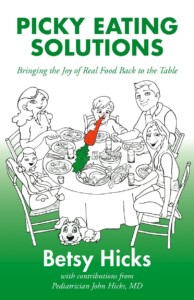
- Picky Eating Solutions
- Betsy’s Podcast: The Autism Odyssey Podcast
- Create a Joint Joy List
- LoveJohnPaul Spelling Methods
- Communication 4 ALL Academy
- Partners4Housing
- Prima Protein Bar variety pack
- Complimentary Barre3 15 min workout
- All of the prompts from the lightning round segment of the show are borrowed from Elizabeth’s book Just For You: a Daily Self-Care Journal. The journal is also now available as a digital download.

Some of the links on this page are affiliate links. When you click on a product and choose to purchase it, I receive a small thank you from the associated company which helps reimburse me for my blogging, podcast, & site expenses. There is no additional cost to you.
Favorite moments & quotes from the episode
Stay in touch
- Rate and review the podcast.
- Subscribe to the show on your favorite podcast platform!
- Instagram: HappyHealthyCaregiver
- Join the Happy Healthy Caregiver Facebook Group and our Facebook Page
- Twitter: @HHCaregiver
- Subscribe to the Happy Healthy Caregiver newsletter to stay updated on the latest posts & events.
- Email Elizabeth with questions or comments about the show or to request information about sponsoring the show.
Full Transcription
I’m not here to change who the individual is. Not here to cure autism, not here to cure who that person is of whatever behavior that they have created that is working for their body. I’m just here to help them feel good in their body.
Are you caring for others while working and trying to live your own life? Wondering how to find the time for your own health and happiness? Well, you’re in the right place. The Happy Healthy Caregiver podcast, which is part of the Whole Care Network, is the show where real family caregivers share how to be happy and healthy while caring for others.
Hello and welcome. I’m your host, Elizabeth Miller. I’m a fellow family caregiver, a care. Advocate, a professional speaker, author, certified caregiving consultant, and certified senior advisor. If this is your first time listening, thank you for being here. This is a show produced biweekly to help family caregivers integrate self-care and caregiving into their lives. Each episode has an accompanying show notes page. If you’d like more detail about the topics, products, and resources. We speak about, or you want to see any of the related photos, you’ll find the show notes by going to the website, happyhealthy Caregiver.
com, and underneath the podcast menu, click the image or episode number for today’s show. The link for the show notes will also be in your podcast platform’s episode description. Now, let’s get to it. Let’s jump into this episode.
Thanks again for being here and listening to the show. I am so grateful that you’ve chosen to spend this time with myself and with Betsy, the guest today. I always like to start with a couple of announcements, and of course, my favorite thing and what I’ve just recently read.
And the reason why I do that is I want to reinforce how we We are individuals and we have a wide variety of interests and things that we care about, and caregiving is certainly a big part of our lives, but it’s not the only part of our lives. So before I get into it, I just want to share and invite you actually to, first of all, subscribe to my weekly newsletter if you are not a subscriber already. I do the heavy lifting of curating the content for you and I share resources and articles and things I find interesting under the headings of happy, healthy, and caregiving and whatever else comes my way.
It’s really easy to subscribe. I will not share your email address because I also detest spam. You subscribe by going to bit. lee/HHCnews, and then you’ll get this little hopefully delightful email that you’ll look forward to on Tuesdays with information coming from me. I want to thank our episode sponsor, Crazy Compression. Do your feet and legs feel exhausted by the end of the day or swell after sitting or standing too long? Crazy compression socks are a fun, stylish way to boost circulation. And reduce fatigue. They offer real support with bold patterns that let your personality shine, and they’re perfect for caregivers who are on their feet all day.
Head to crazycompression. com and use code HHC20 to receive 20% off of your order. Before I talk about my favorite thing for the episode, I first need to tell you that one of my least favorite things right now is waking up at 3 or 4 in the morning. And I’m also a 54-year-old woman, so it’s hard for me to go back to sleep. So the reason why I’m waking up at 3 or 4 in the morning most, most nights, and typically every other night is that my husband and I takes. Turns caring for an older Shih Tzu shadow that we have, or he’ll be 15 years old by the time this episode comes out, and he needs to go outside, and sometimes he needs a drink of water, sometimes he wants to eat, like he’s just ready to start his day, frankly, and we’ve tried a bunch of different things, but if you’ve got ideas on how to mitigate that, I’m all ears.
But waking. Up at 23 or 4 and then trying to go back to sleep after I’ve taken him outside and done some of these other things is a struggle. This experience has led me to one of my favorite things, which is a product that I want to share with you all called Gritten. It’s a rechargeable LED book light, is how it’s available on Amazon, but it does more than just help you read books. It has multiple purposes. One of the things I’m liking about it is, and I’m not necessarily doing this at 3 and 4 in the morning, but I’m using it for my needlepoint.
This is the project I’m working on right now. These holes are very small, and I have the bigger needlepoint. I think it’s 13 instead of 18 mesh is what I think the, the common ones are. But seeing those little holes when I’m watching TV at night or something, it can be very challenging. I originally got it for that, but it is a book light. You can use it on a desktop. So I’ve also used it like when I’m working on jigsaw puzzles and I need a little more light in the area that I’m on.
This head having a longer light going horizontal has been really beneficial for the needlepointing and also for reading books. I’ve been wanting to read more of the paperbacks that I own, and I don’t necessarily want to turn on my lamp when my husband is sleeping next to me, but I find that reading really does help calm my brain and get me back to sleep. I am clipping this onto my book and it’s Staying clip. It’s got this horizontal light, so it’s lighting up enough of the page, and it’s been a game changer.
This is the little light. It does have 3 different settings, so 3 different types of lights, and you can adjust the brightness as well. It’s got many purposes. Supposedly, it’ll give you 80 hours before it needs to be recharged. It’s very affordable. It’s only $20. So if you’re a needle pointer, you like to read at night, you want just a little more light on some of the projects you’re working on, then then we’ll link to this so that you can check. Check it out. A book that I want to share with you that I recently enjoyed, and I listened to the audio version of it, is called Atmosphere, and it’s by Taylor Jenkins Reid.
It’s so well done. It’s set during the early days of NASA and it follows a group of astronauts, but the heart of it is really a love story mixed with complicated family dynamics. It’s not very often that a book makes me physically cry. Like I am a crier. My eyes have leaked on many a podcast episode. And I, you know, wear my emotions on my sleeve and I feed off of other emotions, but listening to this book, I got choked up and teary multiple times. The characters are really well developed.
It’s held my attention all the way through, and I found it especially empowering as a woman. It’s an easy five-star read for me.
Let’s meet our caregiver in the spotlight. Betsy Hicks Russ, director of the nonprofit Autism Odyssey, shares what it takes to navigate caregiving when your child has. High support needs. Drawing on her over 583 decades of experience as a family caregiver to her son Joey, Betsy discusses overcoming significant obstacles, letting go of victimhood, and choosing to try new things, even when the path forward feels uncertain.
In this episode, we explore the powerful gut to brain connection and why good nutrition matters for caregivers and care recipients. Betsy also reflects on how caregiving has changed over time. Comparing today’s information overload with earlier days of lower tech living and stronger local community connections. Plus we explore the joy of discovering shared interests with our care recipients, such as a love for the Grateful Dead music and nature, and how these shared joys can deepen connections and resilience and caregiving relationships. I hope you enjoyed the conversation and the show, and if you do, I hope you share it with somebody who could really benefit from listening.
Hi, Betsy. Welcome to the Happy Healthy Caregiver podcast. Thank you so much for having me on. This is going to be wonderful. I love talking with you. I know it’s a fun change of pace sometimes when I’m, we’re a podcast hosts such as yourself with the Autism Odyssey, and then we’re flipping the script and you get to be the star guest today. So I loved having you on the show so much. You are such a wonderful person to interview and you have such beautiful knowledge. So this is an honor to be here.
Oh, thank you so much. Well, we always kick off the show because I’d like to kind of get, you know, mindset, frame of mind from something from the happy, healthy caregiver jar. So I’d love to get your thoughts on this, buddy. Let’s see what we got today. Says the task ahead of you is never greater than the strength within you. The task, yeah, go for it. So the task ahead of me is never greater than the strength within you. 100%. And like, we love to deny it, don’t we?
You know, I can’t do that. I can’t do that. Well, you’ve already survived 100% of the crap and stuff that you’ve been through, but the resiliency that I’ve been through has put me in such a great juxtaposition to know that I can pretty much get through anything. Like, I always joke like, Like if Armageddon comes and the world is coming to an end, like find an autism mom or a caregiver, a fairy. Yeah, I would hire a caregiver. Like if you’re listening to this and you’re in the corporate world, and you have any qualms about hiring a care, don’t, like they’re masters at problem solving, diplomacy, team building.
Yes, all the hard stuff. And I mean, you can scream in front of us and we won’t even bat an eyelash. It’s so true. It’s so true. I love your, your giggle too. Well, Betsy, I know about your caregiving story, but many maybe listening have not. So share with us about your caregiving story. So I am the mother of 3 children, my twins who are now 32 years old, Joey and Mia. Joey was diagnosed at age 2 and We would call that extremely high support needs. Back in the day, we use words like severe or just, well, of course, back in the day, because we’re going back 30 years ago, it was just called autism.
There weren’t different levels of autism. It was like you had autism or you didn’t have autism. And what are the levels? Because honestly, like I’m a caregiver for my brother, but I’m still learning the language of it. They’re figuring it out. Everyone’s just like and then once they have it figured out, they’ll be like, Oh, you’re doing it wrong, so you’re doing it. That’s right. To stay politically correct on my podcast, it’s just like I, I pretty much like raised my hands because that’s the other thing is like you could say something and then someone listens to your work a year later and they’re like, I can’t believe you used that terminology.
And it’s like, well, a year ago, that was the terminology. So it’s, it’s just like, I like the terms high and low support needs only because that, it doesn’t reflect on the so-called intelligence factor. Doesn’t, it’s, do they need a lot of support or don’t they need a lot of support? And my son needed the most amount of support, like, you know, the, the, the one on one aid every second of the day. And that’s where we kind of were with that. And his sister also has autism, but is extremely low support needs.
And she has her master’s and she is married and she owns a house. Like she has an incredibly wonderful. Like she’s, she’s made a beautiful life for herself. So, but Joe’s support needs have been extreme. And that is what has, as you said, I mean, the task, whatever, we’ve gotten through all these tasks. I can handle it. I can do this. And, and, and I will argue for myself all the time. I mean, argue for our limitations is kind of part of the game. Like we’re just like, no more personal growth, please.
I’m done. I’m good. You can pause that. But then something comes from it. And I like to say, so when something really challenging comes, I’ll say, well, I don’t really understand this now, but eventually I will. And I eventually I will know the purpose in all of this and just kind of discount it to that because I’ve been pushed and pushed and pushed. And one thing that’s really, really interesting about being pushed like that is, um, it kind of like forces you into this accelerated. Program of life that other people don’t have the opportunity to excel in, mostly because they’re not pushed.
And I mean, who doesn’t want to take the easy way out? Who doesn’t want to just be like, everything’s going great. I got all the money I need. I have all the help I need. We, of course we would like that, but, but how much growth comes from that? And so now when I look at my position right here, right now, I say to myself, I love who I became because of all that came before me. And that’s why my big purpose right now is to help those people in our position like we both are.
Like now we know what it feels like to be at that start line and we want to help them. Yeah I love that you have reframed this into a growing mentality, a resilience mentality, and I think there are stages of caregiving, right, where you’re feeling overwhelmed, you’re feeling entrenched, and I think you and I probably both kind of have a wheelhouse in the people who I would consider maybe leaning, heading into more of a pragmatic caregiving stage where they’re accepting that this is what life has presented with them.
They’re going to Feeling how they’re feeling if they keep doing what they’re doing, and they’re looking for ways to be sustainable and to start living their lives again. And so that’s, I think the key messages that I feel like I get from your podcast and your content that you’re putting out there on social, because it’s hard. Like we’re not saying it’s not hard, and we’re not saying it doesn’t suck sometimes. Like it, it definitely does. Yet there are some diamonds in the roughs and there’s a lot of growth.
And things that we wouldn’t change for the world out of this caregiving experience. 100%. You said that so well. Absolutely. What were some of the resources for you, Betsy, when you were like, you know, I know it’s a lot. It’s a lot of decades, but, you know, it’s a lot of decades. But, you know, there’s, if you’re like thinking back and you’re like, wow, these were the ones that, that were really there for me. And I needed them or really, are there a couple that just shine bright?
Great question. I would say that, uh, OK, let, let me back up a second because this is an important distinction to understand. We didn’t have the internet. We didn’t have the capacity to Google. We didn’t have the, what is happening. We, we, we had nothing but books, libraries, and each other. So, That enters you into such a different mindset as to the caregivers that are in there now. And the thing that I think is so interesting, I actually did a post about this one time and I don’t think anybody understood it.
I think I, I think I worded it wrong because what I was saying was, now parents have so much at their fingertips. Do they really have it better? And what I was saying, trying to say is it was It was such a different vibe back then because we were helping each other. There was so much personal connection, like support groups were in a library or in a health food store or, you know, something like we gathered in, in places that we could gather, community centers and things such as that.
We hugged each other. We cried in front of each other, and it was a very different time. Nobody, nobody. Nobody was criticizing anybody for the path that they went down. You know, I chose to go down the diet path. Nobody said, Well, that’s been proven not to be helpful. Like, it wasn’t about that. It was about, we’re trying to just figure everything out and we were so supportive back then. And now there’s so much noise. There’s just so much noise when it comes to caregiving for autism and The best parent that you could be and having to deal with the school system and what therapy route you need to go to and everything.
And I don’t envy the parents now because I feel like there’s too much information. I don’t know if I’m answering your question at all. Well, you are, you are. I mean, the way I can kind of like also relate it to people is when you go to a wedding nowadays and all of the little details and stuff, I always turn to my husband and I say, thank God we got married before Pinterest. Thank God, you know, like same I had Brides magazine and like, you know, maybe a couple of weddings that I had gone to.
It was, but that’s the thing, it’s like it is overload. There’s a lot of noise and there’s this, it can be this fear of not doing enough, you know, that we didn’t, we didn’t handle enough of the details. So I think there is a lot of catch tch stuff. I have to laugh though, because that was a phenomenal analogy because I am getting married this year. Um, I, I’ve been with my partner Ron for 10 years, and for, it’s a long story as to why it was, it had to do with money, but we had to wait till I was 60 to get married.
I’ve turned 53 in a couple of months. And, uh, so I’ve literally told people there will be no matching napkins at this wedding, OK? Like keep your expectations really low. This is, this is not a Pinterest wedding. And I miss that. I missed the day where things weren’t so much about show and that Instagram shot, and it was just more about connection and people. I wonder if it’s coming back around, kind of just like a sidebar because I was just reading, you know, I have a 25, 26 year old daughter, I think she is now.
I’m 26 year old daughter and she’s really into grandma hobbies, like mahjong and needlepointing and all of these things. And we tease. About it, but there’s a phenomenon happening because I do think people are desperate and craving this time offline, this time for connection. And so I think we hopefully are going to kind of see that come back around. When’s your wedding date too? I want to celebrate you. July 25th, it, it likely will be. I’ll probably post about it. But yeah, it’s, it’s wild that I feel like, I mean, we’ve been together for so long that Um, it just seems funny, but it’s mostly a celebration of having friends together.
Of course, of course. I mean, listen, we gotta, we gotta do more of the, the joyful stuff for sure. I agree. Yeah. Well, you’ve been, you know, you talked, you mentioned how you went down the, the diet and nutrition path, and, you know, I think there probably were some, some huge challenges that you encountered and you had to overcome, but Do you want to talk a little bit about that? And I know you’ve got some resources in that particular area, maybe in some of the other areas as well.
Well, it’s really funny because um I’ve been working with picky eaters for the majority of my career because when, so let me just back up a little bit about my story. So I have these, I had 3 children. And Joe’s high support needs and had a terrible marriage that I eventually left. I met a pediatrician, married him. He left traditional medicine to pursue more holistic medical route. And so in that journey, he wanted to work with a lot of his families to, um, Uh, incorporate diet and special diet into their, their lives.
And I needed for, for, to help these parents actually do it to support the picky eating aspect of it. So I started working with all of his clients. I actually worked with Doctor McCola’s clients. I worked with John’s clients and worked on the picky eating aspect and then eventually wrote this small book, which isn’t phenomenal. Uh, so I don’t recommend it. I think it’s completely out of print. And then I decided to take all that knowledge and I. Created a course, which is on my website today, which is phenomenal, I bet.
Thank you. It’s a picky eating Solutions. And, and it’s a very easy bit by bit. In other words, people, it’s made up of like 65 videos and they’re only a few minutes each, so parents can take it in small bits as opposed to getting overwhelmed with it. Whether you have an autistic child or you’re caregiving or not, this is a great resource for you. OK. Thank you. Thank you. And so, and exactly, because I definitely am, I have a section where I talk about autism, but it’s not about just autism.
But here’s the part that’s interesting is I’ve been working with so many people for so many years, decades, as we like to say, that I’m now working with people who were children when I got started. So, so, so I’m working with their, their kids. So what is fascinating is picky eating became so much more prevalent in about, you know, in the turn of the century because Of the way food manufacturers were specifically designing food to become addictive. And we were creating more sugar in our lives and all these other things that affected the gut biome and so many different reasons, which I talk about in my, in my class.
But what’s so interesting is back when I used to counsel, it was a very different thing because parents knew that there is something very not normal about the fact that their children wouldn’t eat a piece of meat. Now it’s so common that nobody gives it a second thought anymore and that it’s become this, oh, well, it’s just the way it is. This is the way the majority of kids are, and I don’t subscribe to that. I don’t subscribe to, we should just resign this because this is how most of the kids are.
We need to pay attention to this. We need to give it our energy because are, especially in, in anybody who has any sort of a fragile immune system, we can’t deny. I mean, we put into our body, you know, we take a painkiller, or we have caffeine, or we, um, you know, like we have like a cup of coffee. That, that immediately is a, is a brain gut connection. We take a painkiller, that’s a brain. connection. All of those things are our guts affecting the way our brain is.
The caffeine is stimulating us, making, you know, we do, we do something to a glass of wine to relax. That is a gut brain connection. So we can’t also, we could say that that works, but if we eat ultra processed foods, a Pop-Tart, yeah, that it’s not going to affect, right. If, if the, if the cup of coffee has affected you, then I can promise you the Pop-Tart is also affecting you. So what I’m very much, my message is about is we need to support these, these immune systems.
We need to help them become the best they can be because I will always stand by what my, and by the way, my, this beautiful pediatrician man that I was married to passed away. And uh and Ron’s in the picture now. Yeah, yeah, I was gonna say 10 years ago, but that sounds really bad. He did die 10 years ago, but I met Ron 5 months later, so there was, was a time period involved there. Yes, but he used to say something that I absolutely loved, which is, I’m not here.
To change who the individual is. Not here to cure autism, not here to cure who that person is of whatever behavior that they have created that is working for their body. I’m just here to help them feel good in their body. And that’s my My mantra still to this day. We’re not, I’m not, I mean, I subscribe to that. I’m not a perfect eater, but I definitely, I am very self-aware about what’s going in and the things. But yeah, feel good in your body. So we, I mean, all of us, we’re the only ones.
No, we, we don’t want to fuel our cars better than we fuel our bodies for sure. Yeah, yeah. Interesting. Well, was Joey a picky eater and do you have him on? What kind of, what does his diet look like? What does your diet look like? What does his diet look like? We eat a lot of everything’s whole. OK. That’s part of what I do too on both Instagram, Facebook, and TikTok is I have a subscription where I, I teach parents and individuals. It’s not just parents, just how to make, make a pot roast, like small, small little things.
So our diet is very much based on meats, rice, potatoes. Vegetables, fruit, you know, just whole everything in its whole form. Lots of herbs, lots and lots of herbs. I don’t eat many carbs. I don’t do as much of the rice or potato, and because I’m a woman well over 13, carbs stopped becoming my friend after 50. I’m having an addiction with my own. Like I love making sourdough bread and I love eating that, but, and I rationalize it that at least I know what’s in it. But yeah, it is good.
Yeah, and it’s not so much a weight thing for me. Like, OK, I just, I don’t, I just, that’s just not a focus of mine. Like I’ve had friends that have like lost like 50, 60 pounds and I don’t even notice it. It’s just, it’s just not something I’m I’m typically looking for where it makes a difference with the carb end for me is it massively slows me down. I just get really, really lethargic. And then I also have such a high sugar addiction tolerance. Like if people say, well, can’t you just have this cookie this one time?
Like, uh, but if I do, then it makes it harder for me tomorrow. Like I don’t want you or is that about me? Yeah, yeah. Like it’s like I don’t really want to. And I’m, everybody has a different personality of how to handle eating, OK. But my personality is I don’t want to think about it. I don’t want to play good cop, bad cop cop with myself all the time and calling me good or bad because of the way I ate that day. Like, I don’t want to play that game.
I don’t want to think about it. So when I have super defining parts of it where it’s just like, I am a person who doesn’t eat grains. I’m a person who doesn’t eat sugar like I do have like maple syrup and honey and things like that, but I’m a person who does that. It makes it easier for me to approach every meal with a matter of factness rather than a negotiation. Yeah, it’s a one less decision in a person. person who’s got a lot of decision fatigue to be able, it’s like the clothes, like when I was caregiving, I had this clothing Project 23.
I like got onto this and I was like, 23, 23 items. Like I don’t have to think about what to wear. These all kind of like mix and match. And now I rent my clothes and we talked about that online, but Um, yeah, just so, so interesting. Well, I, I think that there’s, um, you’re, you’re a great resource for that for sure. And then I know I also wanted you to kind of talk about you, the special vest that you have, that Joey wears, and, and also the, I know he’s nonverbal but still communicates.
So I wanted you to talk through that a little bit. Sure, OK, don’t let me forget the second part of that question. I’ll start with the first part of the question. My minds, 22 brains. We’ll work it out, yeah. The vest is, is pretty, is pretty simple. It’s a vest that I created because Joey is a phenomenal cyclist and we were constantly being yelled at when we were taking bike rides because he doesn’t, his apraxia makes it hard for his brain and body. To connect and he doesn’t make fast decisions easily and it often pisses people off because he’ll get in the way or he’ll, he does it, he struggles with where to be on the lane and people were always yelling at him all the time.
So I developed a vest that says autistic, be kind. And it was really just my idea for cycling. And then Joey does a lot of impulsive behaviors. So one day we were living in San Francisco at the time, and I decided to have him wear it like just going for a walk in the city and the calm that it gave people because he looked, because he is an adult, he looked threatening to them. And We just had such a different response and more so for him than for me.
I mean, it’s one thing for me, but he loves wearing it in certain situations because people are gentler and kinder and they don’t, they’re not afraid of him. I mean, imagine walking around all the time with people like, what are you going to do? Like, why, like people move on the bus because they don’t want to sit next to you and things like that. When you kind of like throw it out there and You know, I’m lucky enough that now we do have communication, which we’ll talk about soon, and It’s his choice whether or not he wants to wear it or not, and he now chooses it at certain times and not in others, which I love.
I love that he has that option to do it. But it is, it’s a tool that not, as I like to explain it, and I have a video on my, my social media page explaining this is that here’s the thing, people will say, but all he’s doing is sitting on the beach. Why is he wearing that vest right now? Why do you care? You’re so, I mean, yeah, the problem is. He can turn on a dime and that dime is going to freak people out with high pitched screams, and he’s a grown ass man.
OK, so high pitched screaming, sometimes he grabs people’s cell phones. He once did that and somebody in San Francisco threw him across the street because he grabbed their cell phone. He wasn’t trying to hurt them. He just, he was, it was an impulsive move. And so my whole thing is, if on a dime it can change, then as a protective measure. It can be very helpful in some situations that are crowded to have it on. Right, right. I get it. I mean, I’ve got a brother with explosive behavior who’s a large man in his 258s.
Like, you know, he doesn’t, he doesn’t have your vest, but he wears fun hats and he definitely has this vibe that I think people maybe probably infer. But I think that he can change on a dime. It can be, it can be really hard. If it’s helping, it’s helping. Like, yeah, amazing. I know it’s amazing. It’s amazing the criticism you get from people who have just like no idea. And not to mention, let’s, let me just add one more thing to that because I think this is important because I, I have even had, you know, parents will say, well, I have an autistic child and I don’t do that.
I’m like, do you go anywhere? Like you’re like, well, my child likes to stay home. And I’m like, well, OK, I clearly don’t need it at home, but we are constantly, as my name on social media says, it’s Betsy on the go. We are constantly on the go. So when you are moving from one thing to the next to the next to the next, you don’t know who your audience is. You don’t know who’s observing. Yeah. And what the sensory effects are going to be to every, you know, different situations.
So exactly. So it’s been great. So I created Autism Odyssey, which is a nonprofit organization, and we make practically nothing. I haven’t ever taken a salary in the 25 years that we’ve been operating. And yet it would be OK if you did. It would be OK. It would be. You’re right. Because you deserve to make a living. I would like someday to be able to take a salary because I work very hard at it, but I, the reason I say that is the vests are only $23 and I want to keep them as inexpensive as I can so that they can reach the majority of people.
And so the only time I get a little bit ahead and have some money to be able to like pay my accountants or things like that is when people make donations. I don’t, I don’t make really any profit. From the actual sales of the vest. Where should we lead them to the best? Should we go to your Etsy store? Autism Odyssey, because Autism Odyssey, my website, autismodyssey. org will take them directly to Etsy, which is Etsy is the actual store, but Autism Odyssey, the website will take you to get them to the right place.
And then you had this kind of other, you know, humongous challenge that you overcame with the communication. That’s a, that’s the wildest story, and it’s so long that I always have to take a breath and be like, let’s make this as short as we can possibly make this and that. And if you want all the details in the story, go, go get it from Betsy’s podcast and stuff. But yes, to whet their appetite for sure. Yeah. So, so Joey went through every imaginable speech and AAC device therapy, like, you know, just all kinds of little iPad things.
Back in the day when iPads weren’t even there, we had Prolouo, which was an actual board before it became an app. And all these different things. We, we did it all. We had connections because my husband was a pediatrician. So, like, we had good connections and no one, no one could get any communication through Joe. So, I had resigned probably at about 22. I’m just like, we’ve done it all. It’s, it’s over. Like, we’re not. We’re not going to get anywhere anymore. And then he really started to get behaviorally more challenging and things were just, they were bad, really, really bad time.
He likes to stuff his arms in his coat and he would just walk around like in this like cocoon because he was always afraid of hitting his head and Life was so tough for him and, and for us because I just didn’t know what to do. And all of a sudden about we, well, OK, let me back up a little bit more. So then I had heard about spelling to communicate using a letter board as a means of communication and the people that were encouraging me were people that We’re like Joe, uh, and, and that’s, that was always my excuse before is that, well, that’s great for some, but my son is too high support needs, my son is too severe is the words I used to use.
And so I didn’t, I just didn’t think he would ever attend to it. And so what is the difference between that and the things that you have tried before, because they sound similar to me like on the outside. I think that’s a great question, and I think it’s actually a good question to discuss before I go into the success of it. So the reason it’s so different is because up until spelling, all forms of communication presume. That speech and the ability to point and the methods that are so outdated that they assess on is a measurement of intelligence.
They don’t take into any account that perhaps their motor issues are so off apraxia, the brain-body disconnect. That it’s so off that perhaps maybe they do understand everything and they just can’t get their finger to point to what it is you want them to point to or for their mouth to form the word you want them to say. And so they are deemed as being severe in the sense that they don’t know what’s going on. And this sadly is still the case today, and I’m working very diligently with the panel to create videos where we are explaining.
To the world why this is no longer true, and we are very passionate about it and I am very proud of the work that we’re doing and I, I’ve met some of just the greatest humans in this world. What’s your panel called. So it’s the Presumed Competence series. So if you go to the Autism Odyssey podcast, you’ll see every now and then thrown in a presumed Competence episode, which is addressing that. So understanding that it’s a motor issue. And not an intelligence issue or just an unwillingness like oh they just don’t want to speak.
If they wanted to speak, they would speak like none of that. All of that has is out the window. So the what the spelling is teaching is it’s, it’s teaching through presuming competence. So immediately assuming, presuming that they understand everything and so they do age. Appropriate lessons where the practitioner knows the answer so that they can help guide them to one letter at a time. And it first starts off with a choice of 21 letters, then it goes to 210 letters, and then it becomes a whole, the entire letter on one board, the 26 letters in a board.
So, what they’re learning is to create those pathways for the brain, and by doing and practicing over and over again, they’re able to. Practice those, that piece. Where with an AAC device, for one thing, you’re limited in this, in the fact that it’s influenced by the person who is setting up the device as to, like, well, we think they want to say chicken nuggets, they want to say french fries, like, so I will put those inside their, they will put those inside the board and then they can choose from that.
But knowing how to spell is limitless, right? You can get anything. Lobster. You could get lobster. You get it. And let me tell you, Joey could ask for anything at this point, and I will give it to him. So, so that’s what the practice is, but it took us two years of that practice before one day he answered. With an answer that the practitioner wasn’t expecting. It was his own answer. So they chills. Yeah. So that’s, it was called open-ended. That’s what they call an open-ended. In other words, it’s not what the practitioner thought he was going to say.
Do you remember the first encounter you had where it was, yeah. Oh yeah, like it was, yeah. Yeah, no, no one ever forgets that. That is, that is the most that I can remember every ounce of that story, exactly how I was sitting the entire the entire thing. And his lesson was on the desert and he was, she had shown a picture. Of, uh, hills that were white and she goes, I don’t know, Joey. Like it’s the desert, so I don’t think it’s snow, but it’s white.
So do you think it’s white sand? Like what do you think it is? And he answered, it’s salt. He knew that those were salt hills, something that we didn’t know until we looked it up. And I just remember sitting there. With, I had questioned everything so many times I wanted to quit spelling because it was 2 years and a lot of money to go week after week, and he would attend sometimes for just 5 or 10 minutes. And it was like, it just felt like we weren’t getting anywhere, but he was just building, he was building it up.
He was building it up and getting those pathways going until finally, just like riding his bike, one day, it clicked. And then he was able to start communicating and now, you know, then it was a few words at a time and then it was a sentence and then now it’s paragraphs and it’s still very, very hard for him. He worked so hard to get that finger. to move to where it’s supposed to be, but he can get his message across and we are having the time of our lives getting to know him.
Yeah, it’s like a treasure trove. You know, it’s like, what is in here? Yeah, amazing. And That’s all the scenarios and the life that you had lived and what his thoughts on all of that. So interesting. Well done, mama, and sticking with that, that’s, that’s got to be, he’s the one who’s done the work, but thank you. I appreciate it. And what I enjoy about your content too. is, is watching the bond that you have with Joey. And I do an exercise sometimes as a breakout session, something on my website too, where I call it a joy list, where sometimes a lot of caregivers forget the little tiny things that bring them joy that they can infuse in your life.
And then And discovering what brings joy to your care recipient, your partners, your other family members, and then finding these overlaps, what I call joint joys that you do together. I see that with you and Joey, and I saw that recently with a post that Ron and Joey had this joint joy, I would call. So talk about that. Yeah, that, that, that video, 2nd time it’s gone viral. It’s almost at a million now. Wow, it’s the 2nd time. The 13st time I went, let me know your tips on that too.
Like, yeah, viral on TikTok. This time it’s going viral on Instagram, and the Grateful Dead actual official page actually posted it as well. Yeah, no tip. I, you know, they people always say, I had no idea it was gonna be that one. OK, it was like, oh, I struck a chord here. Yeah, first off, before I talk about that. Just because this is important to me. I really want to say, because I love this about you too, you’re just, you’re such a great uplifter and you know from even when you were on my show, how much, how important it is to me to be like, let’s, let’s give them positive.
Let’s give them the positive. Here’s the thing, I don’t believe we should deny the hard part. We don’t need to deny it. I don’t have to. I don’t have a show a picture of my perfectly smiling family and be like, this is just, we nailed it. We figured it out. Like that is not it. What I do want to convey, whether or not people recognize this is what I’m doing or not, I think there are a few people who do recognize what I’m doing, but what I am trying to convey is that look for the good.
And this is not as scary as you’re afraid of and get out of the victimhood because that’s my, that’s my big mantra is when we are constantly feeling sorry for our situation. Um, aside from the fact that it’s a tremendous amount of pressure on the person who we’re caregiving for to let them, for them to have to feel that you’ve ruined, now, now I’ve ruined their life too. Like I’ve ruined my life and I’ve ruined their life, like, because I can’t point to the cat, you know, like all of that, like it was so much, it’s so much pressure when you hold on to that victimhood and I also feel that like we just started the whole podcast today about is there’s so much good that you may not see yet.
You may not recognize it yet, but there’s so, so much good that is coming your way. There’s at least something, something, something. Yeah. And you’re, and so what I’m trying to convey with social media is, which people say to me a lot is I see myself in the future and it seems less scary. And that’s, that’s what I’m trying to do. But regarding the Grateful Dead thing, so I took Joey, so Ron and Joey was not in a good place. This is 2.5 years ago. We had already started spelling, but we were making zero progress, and we weren’t, we were like not going all the time because the practitioner was far away and it just like nothing was getting better and he was really self-injurious, constantly hitting his head and screaming.
So the thought of bringing him to a loud concert with a lot of, a lot of variables, a lot of variables at a concert, although it was an outdoor concert and it was not a cheap ticket, the thought of doing that just seemed a little crazy to even try, but we didn’t have a caregiver because it wasn’t, the concert wasn’t in our hometown. We had to travel for it. And we went to go see the Grateful Dead at the gorge and brought Joey. What we didn’t expect was 3 straight hours of joyful dancing and gleeful squeals of happiness.
So I made a video just briefly about that and didn’t realize, let me just say the, the like it. Don’t like the Grateful Dead. It does. It’s, it’s not as much my thing as it is Ron’s thing. I just went because I love joy. Yeah, it’s not joyless. I don’t dislike it, but it’s not like something I do. But Deadheads are possibly the kindest demographic of people in the entire universe. Yes. You know, I don’t know if I knew that when I met Ron that I had gotten such a diamond because he was a Deadhead and his message was about joy and love and, and, and understanding.
And it’s just, it’s so it’s completely conveyed at the concert. So now with Bobby, we’re from the Grateful Dead just passing shortly, a little while ago, I decided to repost it and that’s why it went crazy again. So then, yeah, I’ve been just kind of posting a little bit because these, these people, I just, I love them. I love the Deadheads. Yeah. And what if, and to your point, like taking a chance, and what if it’s different? What if it’s different than the way that we have it built out in our head.
About those things and yeah, yeah, and, and, and let’s also talk about co-regulation because say for example, I, we, we went in the different circumstances where all I could think about was, oh my gosh, what’s gonna happen if this happens? What are we, where’s my escape you’re out like like if I was. Constantly disregulated myself as Joey’s top co-regulator. If I had the worst of, of thoughts about what was going to happen, then he’s going to feed off of that. But instead, yeah, I had some apprehensions, but he was feeding off the tens of thousands of people at the gorge that were full of so much love, and he was co-regulating in a way that I never even knew about.
So I think your audience makes a big difference. Like, I don’t know if I would take Joey to go see a Broadway show at this stage of the game. I don’t think, you know, that would be an audience that would necessarily, although I shouldn’t say that, that was not a smart thing to say because I have taken. Is it on his joy list? Like, maybe exactly, exactly, because that’s the reason I, I was saying it is Broadway is more my thing than it is his thing. But in a, in a concert of, of happy and joyful people that, right.
So interesting. And outside is definitely on your joy list. Like I know I’ve see you all hiking and biking and you are Betsy on the go. And so that is a place where you and Joey have connected on a regular basis. I think we all, whether we deny it or not, we all need to connect with the earth. We need To be, I mean, forest bathing for us is everything. Just being in those forests together. And I know that not everybody has access to trees like that.
And maybe it’s a pond. I mean, maybe it’s not a, I live on the Puget Sound, but, you know, or nearby glacier-fed lakes, but not everybody has that. I get that. But even if it’s a pond or if it’s just a, a nice little pathway with beautiful trees. Whatever it is, we have to have those connections with nature. We have to touch the earth as often as we possibly can. And that is one of the most grounding and healing things. And Joey says this. I mean, now that he’s able to convey this, such as he touches the ground of that first, in fact, he’s on a monumental hike right now with his caregiver.
We’re going to do like 6 miles today because we’re having. Oh my goodness. Yeah, Amazing, amazing. Well, um, time is flying by, Betsy, and I want to definitely get into the self-care stuff with you. What is your self-care routine look like right now? Like what’s energizing you? What’s giving you peace of mind? What’s energizing you? What’s pure joy for you right now? I have to have a certain level of organization. I, I really struggle, um, if I have too many pots on the stove or too many open files, so to speak, I have to, I get it, yeah, like I’m very, very big at.
List, writing things down, putting things in my calendar. I don’t want to have to think about everything all the time. So that that’s, that’s a base that’s that keeps me a little bit more coherent makes it sustainable for you. Absolutely. Yeah. Good food, healthy food. That’s a good piece of it to me. And, and cooking, and I don’t look at cooking as a drudgery as much as like that’s a good meditation time for me. When I’m in the kitchen, I’m very, very relaxed. I’m very just kind of going about it and doing my thing.
And I realize not everyone’s like that, but to me, the kitchen is. I’m smiling because I’m literally trying to trick myself right now into like, you love meal planning. You love meal planning. You love having, smell these herbs. You love cooking. You love doing this. I love to eat. I don’t necessarily love to cook, but yeah, it’s so funny. Yeah, it’s fair. And then I, I work out 3 days a week. OK. Strength train. I do bar 3, so it’s a full body training. Nice. Is that like a special, like a Go, I go to a class.
Yeah, I go, I go 3 days a week and that, I started that 2 years ago. It was one of the greatest things I did for myself. I started at 58 just to let people know it was not like I was born a gym rat. And when I started, I had no idea because I was always tired. And you, and you know what activity makes me the most tired is driving. Like, I find driving to be one of the most like tiring. Things to do. So I thought because I was so tired at the end of the day that I was using up my max energy.
What I didn’t realize is I didn’t have any foundational muscles to support my body, to lift up my body, to have a cord so that I’m not so slumped over in the car to kind of keep me going. And when I, when I built up those foundational muscles for my back and for my abs and like everything, I couldn’t believe how much. Energy I carried till the end of the day. Even on a day that I worked out really hard for an hour. I’m not saying I leave those workouts feeling invigorated.
What I feel is at the end of the day, not the burnout, because my body is able to hold me up. Yeah, well said. Yeah, definitely great energy. You’ve mentioned a lot of energy sources, which I love, the outside, the strength, but it’s so, it’s so interesting. Betsy on the go even more. Like you can go further or you just, you know. Don’t feel depleted to your point. Like I like to go more, but, and one last thing with the caregiving, I’ll just say real briefly is my morning quiet routine, waking up.
You and I talked about this when you were on my podcast is just waking up in the morning and having kind of the stillness of the day, the promise of the day, the, you know, like this is going to be a great day and getting my mind in a good headspace before I jump in. Yes, well said. And I think what I’ll do is I’ll link to that podcast. So if people want to do like a deeper dive into your. Healthcare. They can kind of, they can go and that’d be great.
It was such a great podcast. Yeah. Well, let’s get a couple prompts from the journal, Betsy. Let’s see what I got set out for you here. If you could have one self-care product on a desert island, what would it be? So it’s a product. Yes, something you can take with you. Oh wow. I immediately, yeah, there’s no right answer. I don’t have a lot of product attachment, but I would say it’s probably something with food like. It’s probably like. Uh, like, Like a protein bar that I love or something like that.
Something that I, what is your protein bar that you love? OK. Here’s the thing. If I say this protein bar, it could be two months later, and now I hate that protein bar because. But I’m eating protein right now and I’m like, so I’ve got like IQ bars or mosh bars is kind of what I’ve been eating recently or rye with the Prima, P R I M A. I’m going to check it out. bovine collagen, but it’s, it’s got really good protein in it and tallow, beef tallow.
Your hair, your skin, yeah, yeah, yeah. I’m I’m a big tallow person in general. So yeah, so that would probably I’m intrigued. I’m going to check it out. What about, what’s a favorite healthy homemade dish that brings you comfort? Oh my gosh. OK. I love that question right now. Again, right now we’re in the moment. tapioca pudding. OK, telling you that my husband just laughs when I make tapioca pudding because I, I don’t even know if I like tapioca pudding. I grew up as a kid on tapioca pudding, but I don’t eat dairy anymore, but I figured out a way to make it dairy-free.
That is phenomenal. And so message me if you know what, I’ll do a video. On my tapioca pudding and put it on my subscription, but I make a killer tapioca pudding. I, when I tell you, like, it’s almost criminal how delightful that that thing makes me. Like, it just becomes so like I’ll be in bed knowing that when I get up, there is tapioca pudding waiting for me in that fridge and I get so excited. Yes. So that was an easy answer. That was, that was, I love that.
Most outrageous thing you’ve ever done. Oh my goodness, or one of the, let’s just say one of the most outrageous things. You’re like, I can’t believe I did that. Yeah, OK. I don’t, this is hitting my head. So I’ll just go with it. And I have a whole podcast about this, but it was John had only been passed away 5 months when I met Ron, the next love of my life. And I do. Oh, I listened to this. It was. wasn’t it? It’s where you went as a psychic psychic.
Yeah, I had a psychic tell me he was coming. OK, I’m gonna find it and link to it. OK, so it’s called your pod. Yeah, it’s called, uh, I don’t even remember, but Kimber Allen is the psychic, and she’s my guest. It’s not that it’s not that long ago. So it’ll give you goosebumps. It’s pretty incredible. Yes, out of your comfort zone, like you said, so amazing. Well, I could talk to you all day. But we truly have to keep our friendship going. Now that we’ve had each other on the podcast, we have to still find ways to talk.
Absolutely, absolutely. So we’re going to link to the Odyssey, autitism Odyssey. We’ll link to all the things so people can get that. But beyond that, like parting words of wisdom for caregivers and other than Autism Odyssey, people should check you out on TikTok and Instagram. We’ll link to those as well. And I have a website, Betsy on the go, which brings you to everything. Like Betsy on the Go brings you to Autism Odyssey. Betsy on the Go brings you to. Betsy on the go. My, my picky eating class.
My picky like everything will be a Betsy on the go, so that, that will get you there. Yeah, parting words, parting words for caregivers listening. Parting words would simply be, you can do hard things. You know, it’s a phrase I say that you can do hard things and you don’t need to do them alone. I usually add that. But even no matter what the situation, I mean, Stop thinking about how hard it is and just dive in. And when I started my podcast, and I don’t know, I think you’re way more organized than me, I started my podcast.
I had no idea what I was doing. I didn’t commit to anything. I wouldn’t even buy a microphone because I’m like, I’m not sure I’m going to keep doing this. I literally had a headset and they were audio versions of my blog posts. I go back and listen to episode 1 and 2 and Yeah, I should do that and say like, girl, look how far you’ve come. And I was like, I had no idea what I was doing. And they were so bad. Like I like, I never recommend anything in my 1st 10 episodes.
And, uh, and they’re so bad, but you just, you dive, you do it anyway. You feel the fear, you do it anyway. You go to, you know, you’re at a situation and you’re with your child or your adult person that you’re taking care of and you get a hard situation that comes up. You just do it. Just, just, just don’t think about it. Don’t talk about how hard it is. Just do it. To do it. So yeah, that’s, that would be my parting words. Amazing. Amazing. Well, thank you so much.
I love that you’re, you feed me, you energize me, especially in this season of life with my brother where it’s different than caring for my parents and I’m a little bit feeling like I’m, you know, finding my way. I’m finding a lot of great resources through you and, and others in this space. Uh, and so I just keep on doing what you’re doing. Thank you so much. Thank you for your work as well. I’m glad we know each other. And thanks for being on the show today.
Do you enjoy listening to podcasts? So do I. And I’m always up to support a fellow carepreneur whose podcasts I value. Nicole Will, host of Navigating the World with Your Aging loved one, explores the world of aging and care. As a former guest, I can tell you that Nicole’s podcast has an ideal mix of practical tools and resources and messages of hope and encouragement. You can find Nicole wherever you download your favorite podcast or go to her website, we’llgather.com. Thanks for listening to the Happy Healthy Caregiver podcast on the Whole Care Network.
I hope this episode provided encouragement and practical tips to infuse into your life. You’ll find the show notes and all the resources mentioned at happyhealthy Caregiver.com. I also invite you to check out previous episodes of the podcast that you may have missed. If you enjoyed the show, be sure to subscribe so you never miss an episode. Ratings and reviews also help others discover the podcast, and sharing with a fellow caregiver is a great way to spread support. Stay connected with me between the episodes by following Happy Healthy Caregiver on your favorite social media platforms and subscribe to the weekly newsletter where every week I share something happy, healthy, and care related.
Just visit happyhealthycareegegiver. com to join. Until our next episode, I’m Elizabeth Miller with a reminder to take care of you. Are you still here? Well, it’s time for the disclaimer. I am not a medical, legal, or financial professional, and I am not providing medical, financial, or legal advice. If you have questions related to these topics, please seek a qualifier. Professional. I have taken care to spotlight family caregivers and experts, but their opinions are theirs alone. This podcast is copyrighted and no part can be reproduced without the written permission of Happy Healthy Caregiver LLC.
Thanks again for listening to the Happy Healthy Caregiver podcast on the Whole Care Network